

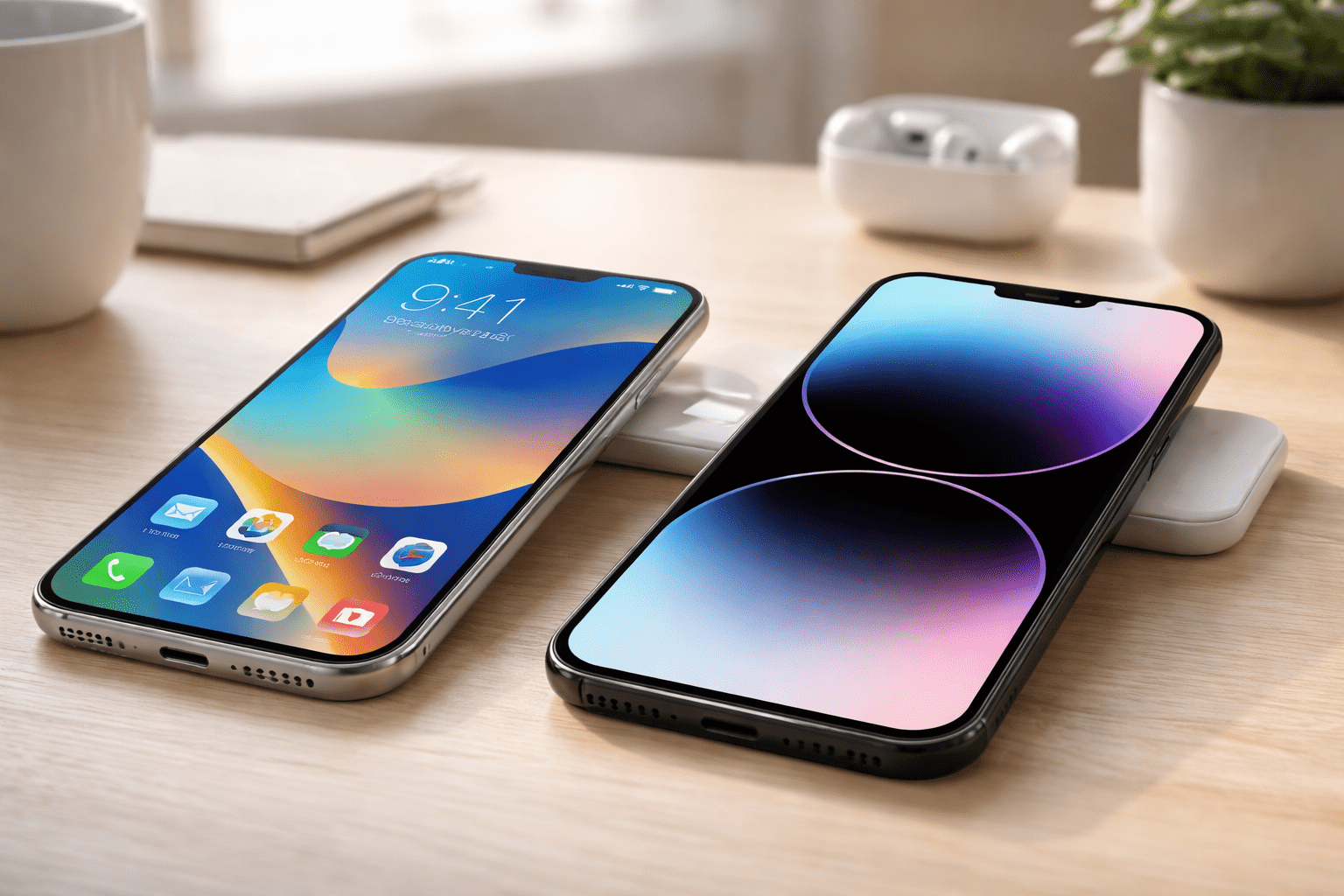
Introduction to Smartphones
These days people rely on phones more than ever. Not just for talking but also watching stuff, getting work done, creating things – almost everything fits inside one device. Because tech moves so fast, what once took separate gadgets now lives in a single pocket-sized machine. Some folks barely carry cash anymore since their phone handles payments too.
Right now phones do way more than just calls or texts. Packed with strong processors, sharp screens, smart apps, while staying online nonstop. These features help people young, old, working any job get things done easily.
Evolution of Smartphones

Phones began simply, doing little more than calling. Little by little, screens took over buttons, shifting how people interacted. Software grew smarter, adapting faster than anyone expected. Apps appeared, then thrived, filling gaps no one knew existed. Games followed, tucked beside tools for work and storage online. What once fit voice only now holds entire digital lives. Each step forward felt quiet, yet changed everything slowly.
Year by year, tiny steps built today’s smart phones. Speedier chips, sharper lenses – these changes opened a fresh chapter. With every model, something new shifts the way people use their devices.
Design and build quality
A smartphones look helps it stand out. Because people notice how it feels in hand, makers pick strong materials that also feel good. Thin shapes show up more often these days. You can find screens stretching corner to corner even on simpler models. Some phones use glass behind while others mix in metal around the edges.
Fragility isn’t an option when a device lives in your pocket every day. Thanks to tougher frames, some models survive drops that once meant disaster. Water sneaking into ports? Less of a worry now, due to tighter seals. Glass surfaces resist keys and coins thanks to special coatings. Over time, these details add up – fewer trips to repair shops, less stress.
Smartphone Screen Types
Picture quality matters when using a phone every day. Instead of old methods, today’s phones lean on types like LCD, OLED, or AMOLED for cleaner images, deeper shades, brighter highlights. Because pixels pack tighter, words look smoother, pictures show finer pieces – helping stories feel real, games pull you in, videos hold your eyes.
Smooth scrolling comes alive on many phones today thanks to faster screen updates, hitting 90Hz or even 120Hz. Instead of just sharp images, some screens now handle bright highlights and deep shadows at once through HDR. Brightness that adjusts itself keeps things clear under sunlight or dim rooms. Eye care settings soften strain during long reading stretches. With these tweaks, staring at a phone feels less tiring, more natural. Screens pull you in without guzzling battery life. Using a device all day grows easier when visuals flow seamlessly.
Performance and Hardware
Faster chips make jumping between apps feel effortless. When memory teams up with processing muscle, stutters fade into the background. Handling heavy work – like editing clips or playing intense games – becomes ordinary instead of a struggle. Without enough power under the hood, even basic actions start to drag.
Speed gets a boost from powerful graphics processors, quick storage inside, along with chips built for efficiency. Heat stays under control when parts are designed well, plus energy use drops too. When performance holds steady, supported by solid build quality, tasks just flow – simple or demanding alike.
Camera Capabilities
Years back, phone cameras were weak – now they snap sharp images easily. Better sensors work alongside clever software to lift photo quality way up. Night shots come out clear thanks to special modes that brighten dark scenes quietly. Portrait lighting shapes faces gently without extra gear nearby. Shaky hands matter less since videos stay steady through bumps and walks.
Phones now snap most everyday shots instead of old-style cameras. Because edits happen fast, plus posting takes seconds, snapping pics fits easier into life. Most folks find that handy.
Battery Life and Charging
One thing that really matters in phones? How long they run without needing power. Bigger cells inside, combined with smart chips, keep things going through the day. Charging quickly means less time waiting around plugged in.
Faster recharging happens when power-saving tricks kick in. Dependability grows through smarter energy choices during regular tasks.
Software and How People Use It
Everyday phone life depends heavily on software feel. Smooth movement across screens comes from smart system design. Fast reactions happen when code works right behind the scenes. Crashes fade away if things run tight. Menus that make sense help newcomers catch on fast. Longtime owners find their way without thinking. Simple layouts leave room to breathe. Personal touches fit habits over time.
Out of date apps? Not here – fresh updates roll in to fix hiccups, add tricks, or lock things down tighter. Smooth moves come from clever touches: swipe shortcuts kick in, eyes rest easier under dimmed screens, helpers adjust on the fly for different needs. When code holds strong while feeling sharp, every tap, scroll, or click slips by without fuss – just you, your gear, doing work.
Smart connectivity features
Faster data flows through today’s phones thanks to 5G, while Wi-Fi 6 keeps links steady under pressure. Bluetooth tweaks help devices talk more smoothly, even when crowded. Speed plus reliability shapes how we stay online now.
Starting off, voice helpers tucked inside phones respond when spoken to. Next up, faces unlock devices without a tap. Then again, waving a hand can scroll through pages. Each step lets people move faster. On top of that, reaching apps feels smoother than before.
Smartphones for Different People
Gadgets fit who you are. Cheaper models keep things basic, yet high-end ones pack the latest tricks. Models in the middle? They split the difference between speed and price.
Fans of bigger screens can go large, while those who like pocket-friendly sizes have options too – fitting habits comes down to personal pick.
Security and Privacy
Now safety matters most inside phones. Fingerprint scans lock things down, scrambled files hide secrets, fresh patches fix weak spots – each layer helps guard what you own. Because of this, handsets handle both private moments and work tasks without spilling over.
Users can tweak how apps access their data through privacy settings, giving them a firmer grip on what stays private. When these tools are used, personal details aren’t handed out without permission.
Future of Smartphones
One thing is clear – phones are getting smarter. Not just folding, but bending how we interact with screens. Imagine tools that learn your habits without asking. These devices won’t sit on the sidelines; they’ll lead daily routines. What sits in your pocket today might soon feel outdated. Change isn’t coming – it already started.
Future phones will likely change because of how well they save power. One big reason? They need to last longer without harming the planet.
Final Thoughts
Out here, where fingers tap glass instead of keys, lives a shift nobody saw coming. Not just pocket-sized gadgets – these devices shape how we talk, work, think. Because they do so much, run fast, fit anywhere, most folks won’t leave home without one. Over time, upgrades keep rolling in, pushing features further than before. So it goes – the phone stays center stage while tech moves ahead.
From chatting to tasks or just unwinding, one small gadget covers it all without compromise. Though tiny, it handles what once needed separate tools. Its reach goes beyond size, quietly fitting into each part of daily life.


